HMS Reclaim 600 Feet, Helium and Cold Water, 1965
In 1965, the Royal Navy carried out a series of deep diving trials from HMS Reclaim that helped shape modern deep and saturation diving.
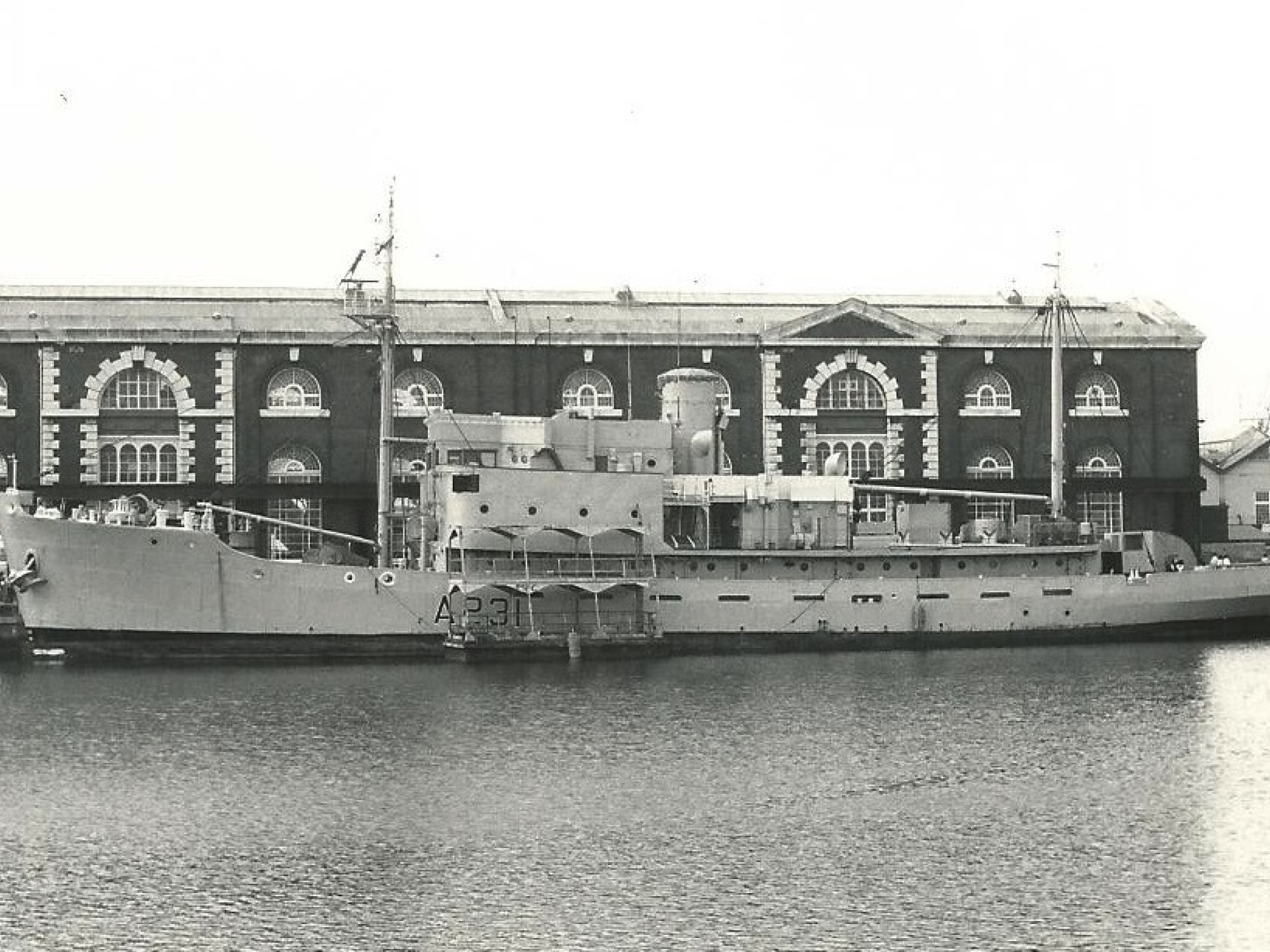
Following earlier 800-foot chamber dives at the Royal Naval Physiological Laboratory, HMS Reclaim steamed to the Mediterranean for a series of 600-foot helium dives off Toulon. The aim was to prepare divers to support deep submarine escape operations, something that had rarely been attempted at the time.
Eighteen divers took part. Each diver worked at 600 feet for around 30 minutes, which at the time were among the longest dives conducted at that depth. The divers descended in a Submersible Decompression Chamber, or SDC. They began breathing air, then switched to helium during descent as the chamber was lowered at roughly 120 feet per minute. Conditions at depth were difficult. Helium tremors made even simple tasks harder. There was no heating, and divers wore Avon dry suits with thick layers underneath, one wool and one fur, just to manage the cold.
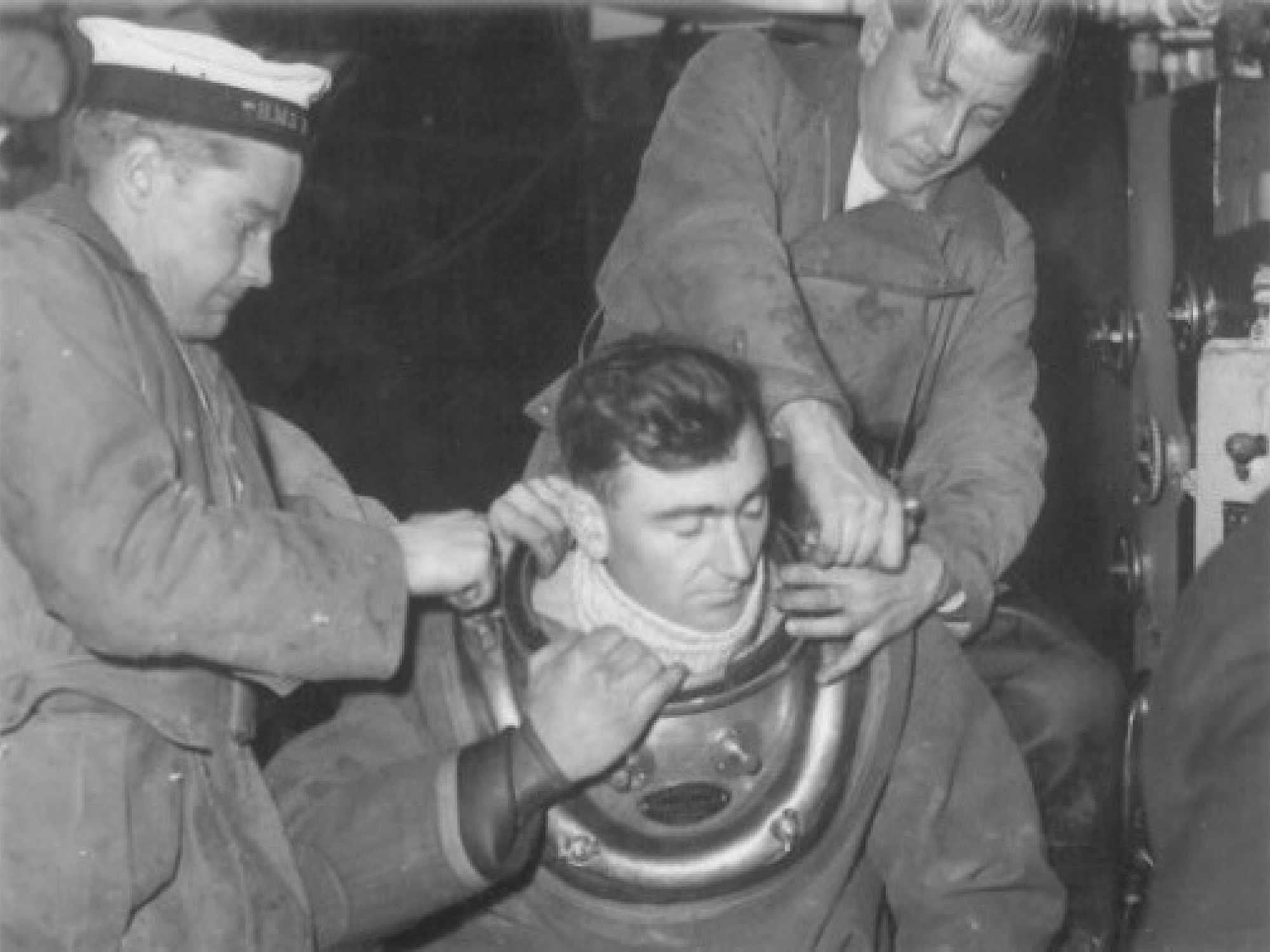
One diver improvised. French pharmacies sold small hot-water bottles for babies, so he bought several, filled them with boiling water, and strapped them around his waist for warmth. Because HMS Reclaim’s onboard chamber was rated to 300 feet, decompression began in the SDC with the first stop at 400 feet. At 300 feet the chamber was sealed, recovered onboard, and the divers completed the remaining 36 hours of decompression.
The trials also produced important medical lessons. One diver suffered a serious bend that did not respond to recompression at 300 feet. He was returned to the SDC and taken deeper to 455 feet before relief was achieved. It was an early example of deep recompression treatment.
Another diver developed severe symptoms after a dive. The team replaced the chamber air with a helium-oxygen mixture, gradually reducing oxygen levels while monitoring the diver. The treatment worked and helped influence later decompression illness treatment practices.
Later in July 1965, submarine escape trials were carried out from 600 feet. Submariners were compressed, locked out, and ascended directly to the surface in just 104 seconds. Much of what is now routine in deep diving began with trials like these. Limited equipment, no heating, improvised solutions, and a willingness to push into the unknown helped shape modern diving practices still used today.
Watch this video to learn more about HMS Reclaim: https://youtu.be/mO3vf7gy3Og?si=MS_b4_lyIzLnWDQP